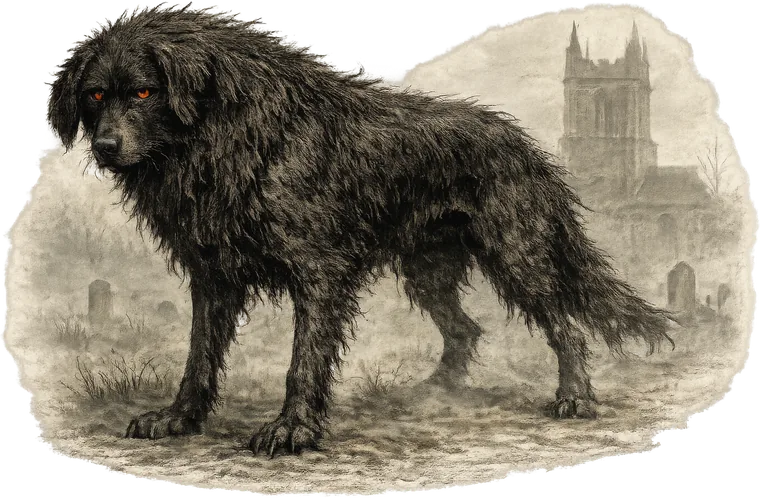
Black Shuck
A black hound of old roads, coastal mist, and parish stone
- Source
- Fleming pamphlet, 1577
- Status
- At large

A naturalist's guide to the night record
Creatures of folklore and the cryptid record, each entry built from the document that first reported it and drawn in the manner of a vintage naturalist's plate.
The dryness is the haunting.
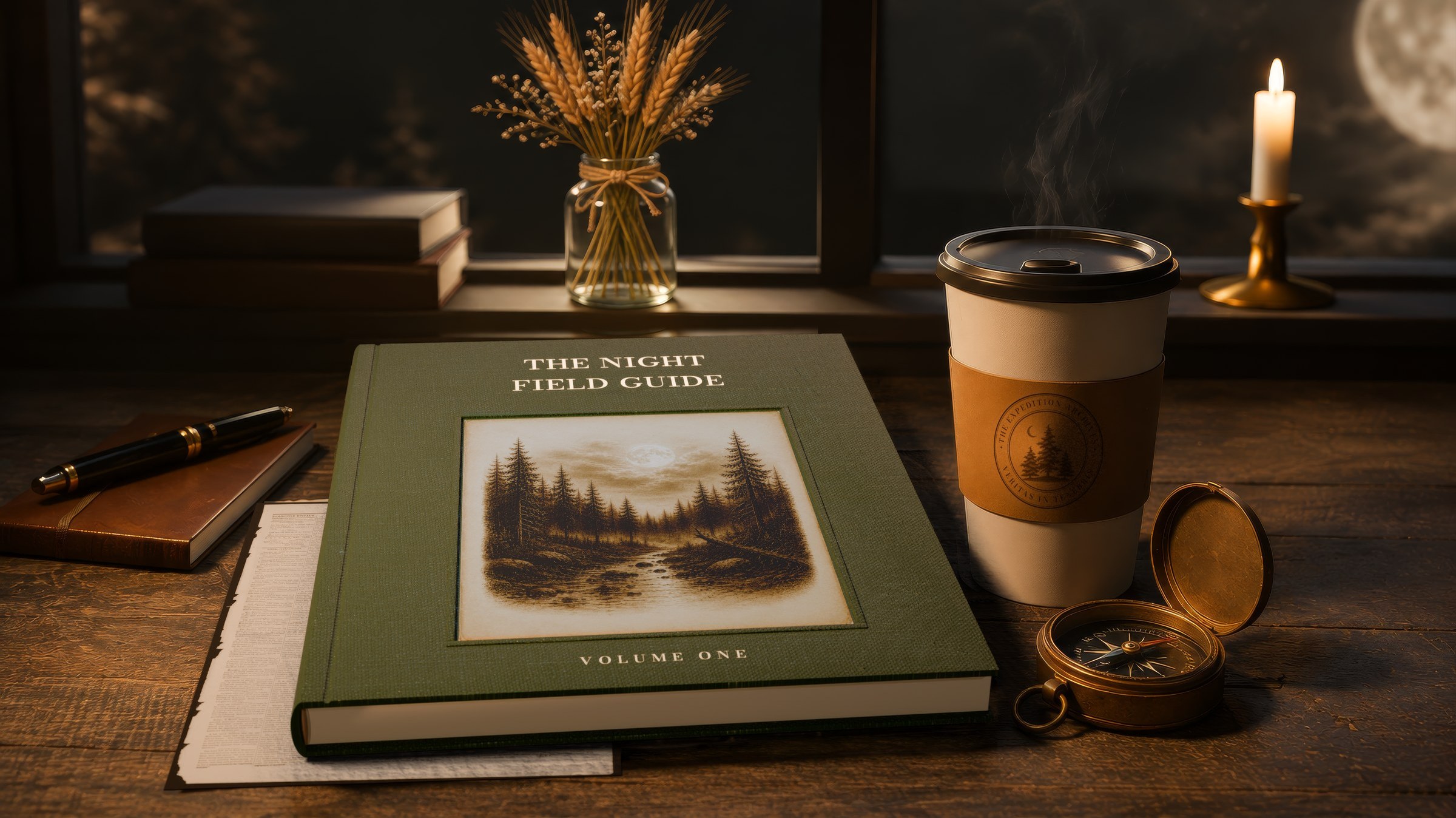
The volume
Each creature gets a plate and its record. On the left, the compiler's field notes, a specimen strip and a size comparison. Facing it, the oldest document we can find, abridged with every cut marked: a pamphlet, a police-court report, a newspaper column, a traveller's journal.
Where the record goes quiet, the page says so and stops.
From the register of specimens
Six of the twenty-five, as they appear facing their records in Volume One.
A black hound of old roads, coastal mist, and parish stone
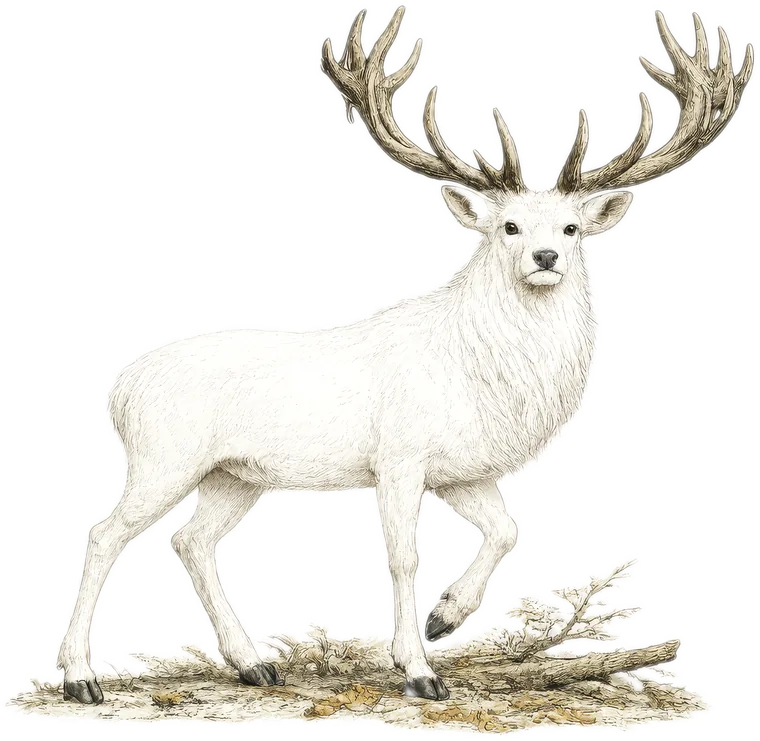
A great deer of old wood, the long hunt, and no kill
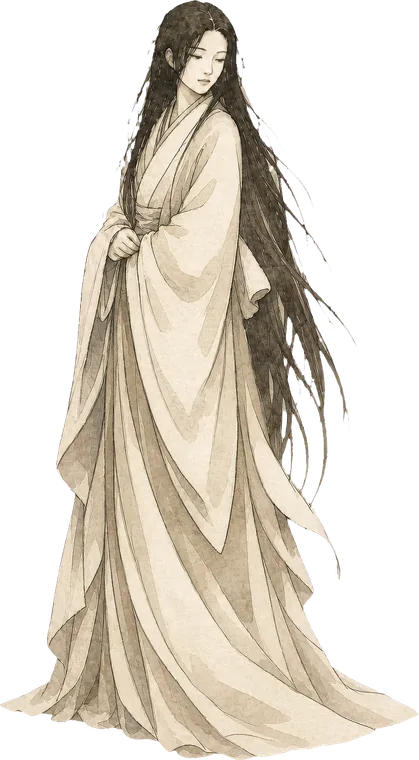
A Japanese woman of snow, storm, and killing cold
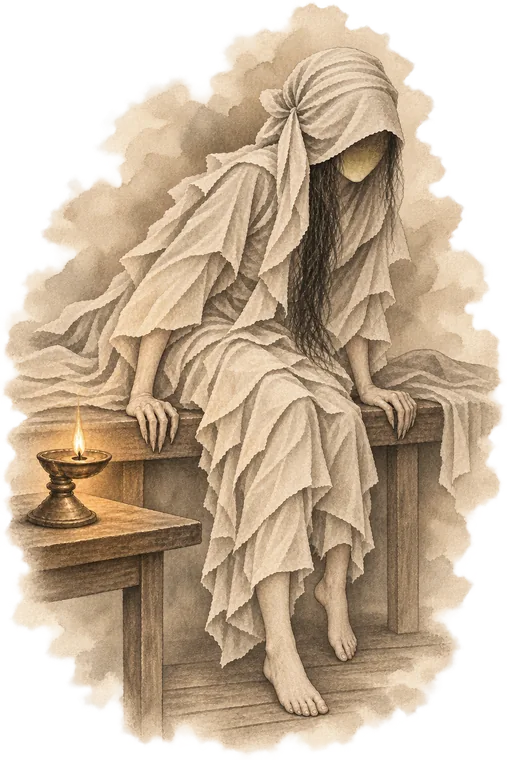
A stiffened corpse of the roadside inn, delayed burial, and stopped breath
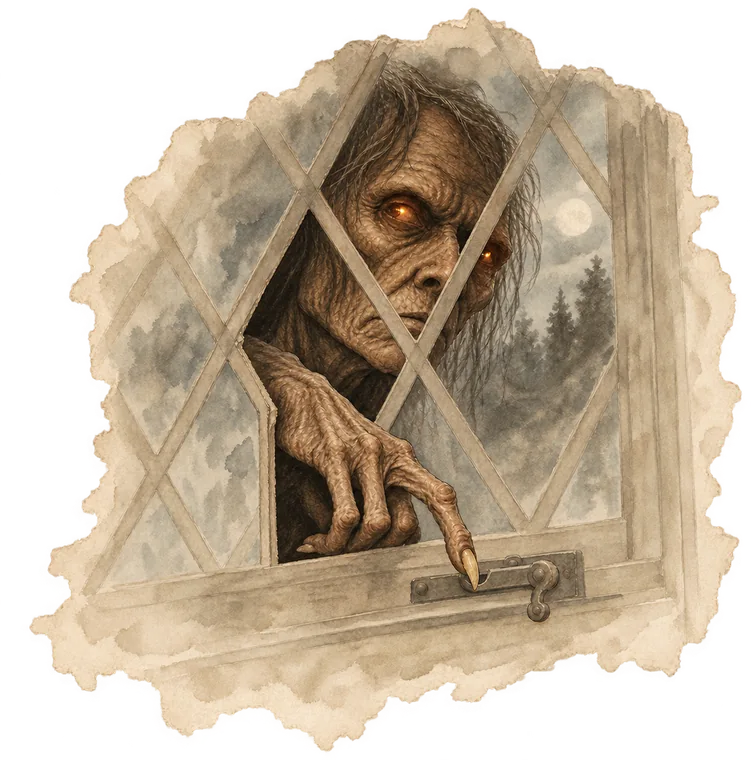
A shrivelled figure of the leaded window, churchyard wall, and family vault
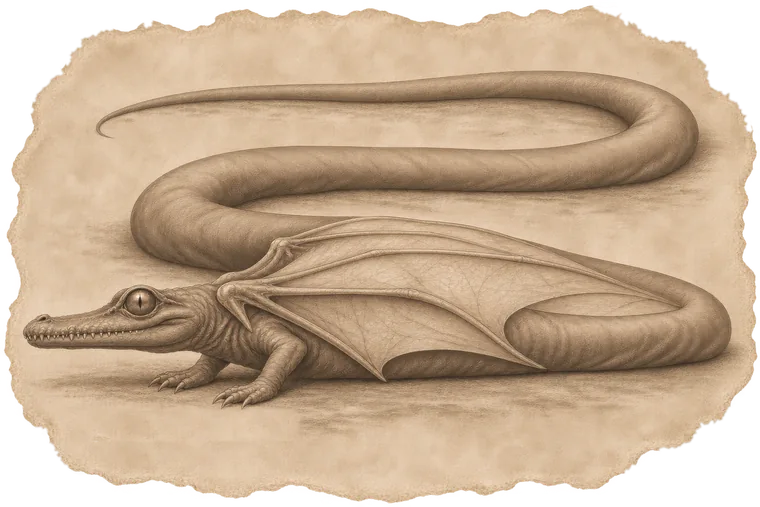
A bare-winged animal of open desert, the long chase, and page three
The method
Every entry starts from a period text we can read in full: a 1577 pamphlet, an 1874 journal, an 1890 newspaper page. If we can't find it, the creature doesn't go in.
Each printable fact needs two reputable sources. A separate checker verifies the ledger, and the quoted text is compared word for word against the original scan.
If the 1890 paper says two feet, set in front of the wings, the plate shows two feet in front of the wings. Anything the record doesn't give is labelled as ours.
No body brought in, no photograph produced, no year given. The book prints what the record holds and leaves the rest where it is.
“The head, as near as the men could judge, was about eight feet long, the jaws thickly set with strong, sharp teeth.”Tombstone Epitaph, 26 April 1890
Volume One is in production
Join the list to see new plates as they're finished, and to hear first when Volume One is ready.